Raw Processing: Building a Professional Workflow That Actually Scales

Raw Processing: Building a Professional Workflow That Actually Scales

Raw Processing: Building a Professional Workflow That Actually Scales I’ve watched photographers spend more time processing images than shooting them. That’s not professionalism—that’s poor systems. After twenty years shooting weddings, events, and commercial work, I’ve learned that raw processing isn’t just about making images look good. It’s about building a repeatable, profitable workflow that doesn’t drain you before lunch. Why Raw Processing Matters to Your Bottom Line Let me be direct: if you’re shooting JPEG, you’re leaving money on the table.

Raw Processing as Your Competitive Edge: A Pro's Workflow

Raw Processing as Your Competitive Edge: A Pro's Workflow

Raw Processing as Your Competitive Edge: A Pro’s Workflow I’ve shot everything from weddings to corporate campaigns over the past 15 years, and I can tell you this with absolute certainty: your raw processing workflow is where amateurs become professionals. Not in the shooting—that’s table stakes. The real money and reputation are made in how efficiently and consistently you deliver polished images. Raw processing isn’t about making bad shots good. It’s about establishing a system that gets you from import to delivery without wasting a single hour.

Raw Processing and Print Prep: The Workflow That Built My Business

Raw Processing and Print Prep: The Workflow That Built My Business

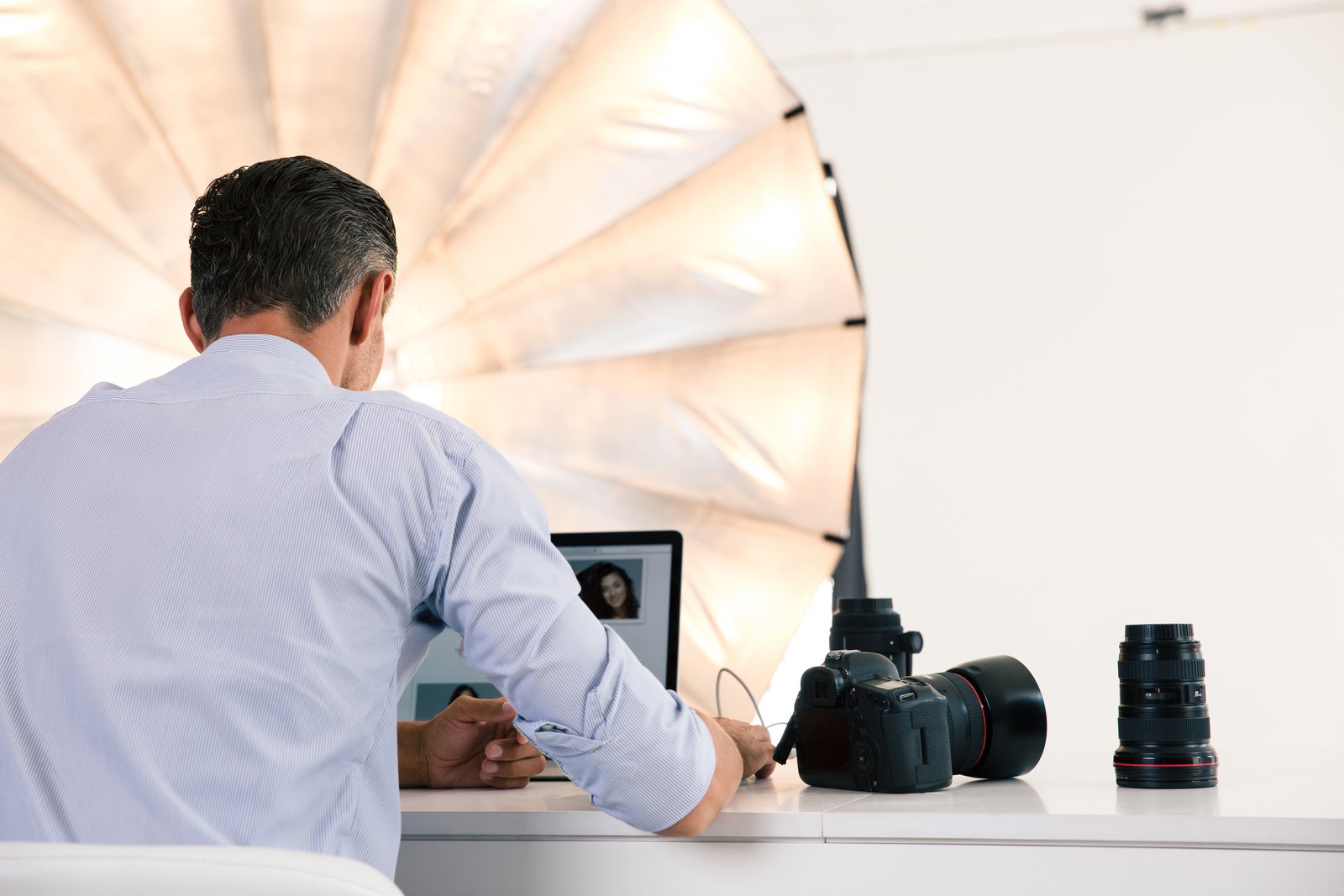
I’ve been shooting professionally for nearly two decades, and I can tell you with certainty: your raw processing workflow determines whether you’re running a business or just taking pictures. The photographers who struggle financially are usually the ones who wing it on post-production. The ones thriving have it systematized. Start With Culling, Not Editing Before you touch a single slider, cull ruthlessly. I shoot tethered to Capture One when possible specifically so I can mark keepers in real-time.

RAW Processing and Calibration: Non-Negotiables for Professional Work

RAW Processing and Calibration: Non-Negotiables for Professional Work

I’ve lost count of how many photographers I’ve met who shoot RAW but process like they’re still using JPEGs. They’re leaving money on the table—literally. Your RAW files are only as good as your ability to process them consistently, and consistency requires calibration. This isn’t optional. It’s the difference between work you’re proud to deliver and work that embarrasses you six months later. Why RAW Processing Isn’t Just About Recovery Let me be direct: RAW processing isn’t emergency damage control.

Professional Photography Workflow: Systems That Actually Save Time and Money

Professional Photography Workflow: Systems That Actually Save Time and Money

Professional Photography Workflow: Systems That Actually Save Time and Money I’ve shot over 10,000 assignments in the past 15 years. The difference between photographers who struggle and those who thrive isn’t talent—it’s systems. The right workflow separates billable hours from hours wasted on admin. Here’s what actually works. Your Pre-Shoot Checklist Prevents Disasters Before I step foot on a job, I have a documented pre-shoot protocol. This isn’t paranoia; it’s money.

Pro Tips for Second Shooting: Build a Sustainable Photography Business

Pro Tips for Second Shooting: Build a Sustainable Photography Business

Second Shooting Is Your Competitive Edge I’ve been shooting professionally for over two decades, and I can tell you without hesitation: the photographers who master second shooting are the ones who scale. It’s not glamorous work, but it’s the foundation of a sustainable, profitable photography business. Second shooting serves three critical purposes. First, it’s insurance—if your primary shooter has a technical failure, you’ve got coverage. Second, it’s a training ground for junior photographers and a proving ground for potential hires.

Pro Tips for Running a Tight Photography Workflow and Website

Pro Tips for Running a Tight Photography Workflow and Website

Pro Tips for Running a Tight Photography Workflow and Business Website I’ve shot thousands of weddings, events, and portraits over the past 15 years. I’ve also watched talented photographers fail because their business systems were a mess. Your technical skills only matter if you can deliver on time, communicate clearly, and make it easy for clients to hire you. Here’s what actually works. Nail Your Shoot-to-Delivery Pipeline The biggest time-killer I see is photographers treating each project like it’s their first.

Print Prep: The Workflow That Separates Pros from Hobbyists

Print Prep: The Workflow That Separates Pros from Hobbyists

I’ve been shooting professionally for over twenty years, and I can tell you this: your editing skills mean nothing if your prints look like garbage. I’ve seen talented photographers lose clients because they didn’t understand color space, resolution, or basic file preparation. It’s not glamorous work, but it’s where money gets made or lost. Start with the Right Color Space This is non-negotiable. Shoot in Adobe RGB or ProPhoto RGB, but deliver everything for print in sRGB or the specific color profile your lab requires.

Print Prep: The Workflow That Saved My Business From Mediocre Prints

Print Prep: The Workflow That Saved My Business From Mediocre Prints

I’ve shipped thousands of prints over twenty years, and I can tell you exactly when I started losing money on them: when I stopped treating print preparation as a critical business process. Early in my career, I’d hand off files to labs with minimal thought. Some prints came back perfect. Others looked muddy, colors shifted, blacks turned purple. I blamed the labs. Then I blamed my camera. The truth? I wasn’t preparing files properly, and that cost me credibility and cash.

Print Prep for Professionals: The Workflow That Protects Your Reputation

Print Prep for Professionals: The Workflow That Protects Your Reputation

Print Prep for Professionals: The Workflow That Protects Your Reputation I’ve been shooting professionally for twenty years, and I’ve learned one thing the hard way: a beautiful image on screen means nothing if it prints like garbage. I’ve watched talented photographers lose clients over muddy blacks, blown highlights, and color shifts they didn’t expect. Most of those disasters were preventable with proper print prep. Print preparation isn’t glamorous, but it’s non-negotiable if you want to deliver products that match your reputation.

Print Prep for Professionals: Getting Your Images Client-Ready

Print Prep for Professionals: Getting Your Images Client-Ready

I’ve been printing client images for nearly two decades, and I can tell you exactly when someone skipped print prep: when the client calls asking why their portrait looks nothing like what they saw on screen. That conversation is painful, expensive, and entirely preventable. Print prep isn’t glamorous work. It won’t show up in your portfolio. But it’s the difference between looking like an amateur operation and running a professional business.

Print Prep for Photographers: The Workflow That Protects Your Reputation

Print Prep for Photographers: The Workflow That Protects Your Reputation

Print Prep for Photographers: The Workflow That Protects Your Reputation I’ve been sending images to print for twenty years, and I can tell you with absolute certainty: the difference between mediocre prints and gallery-quality work isn’t talent—it’s process. I’ve watched photographers lose clients over a single bad print run, and I’ve built a loyal base partly because my prints are consistently excellent. The secret isn’t magic. It’s preparation. Calibrate Your Monitor (and Actually Maintain It) This is where most photographers fail.