The Client Workflow That Stops Chaos and Builds Your Photography Business

The Client Workflow That Stops Chaos and Builds Your Photography Business

I’ve been shooting professionally for nearly two decades, and I can tell you this: your technical skills don’t matter if your client workflow is broken. I’ve seen talented photographers lose money, clients, and their sanity because they had no system. So here’s what actually works. Start Before They Book Your workflow begins the moment someone lands on your website. Make your inquiry process stupidly simple. I use a single contact form that asks three things: event type, date, and budget range.

The Backup Strategy That Saved My Photography Business

The Backup Strategy That Saved My Photography Business

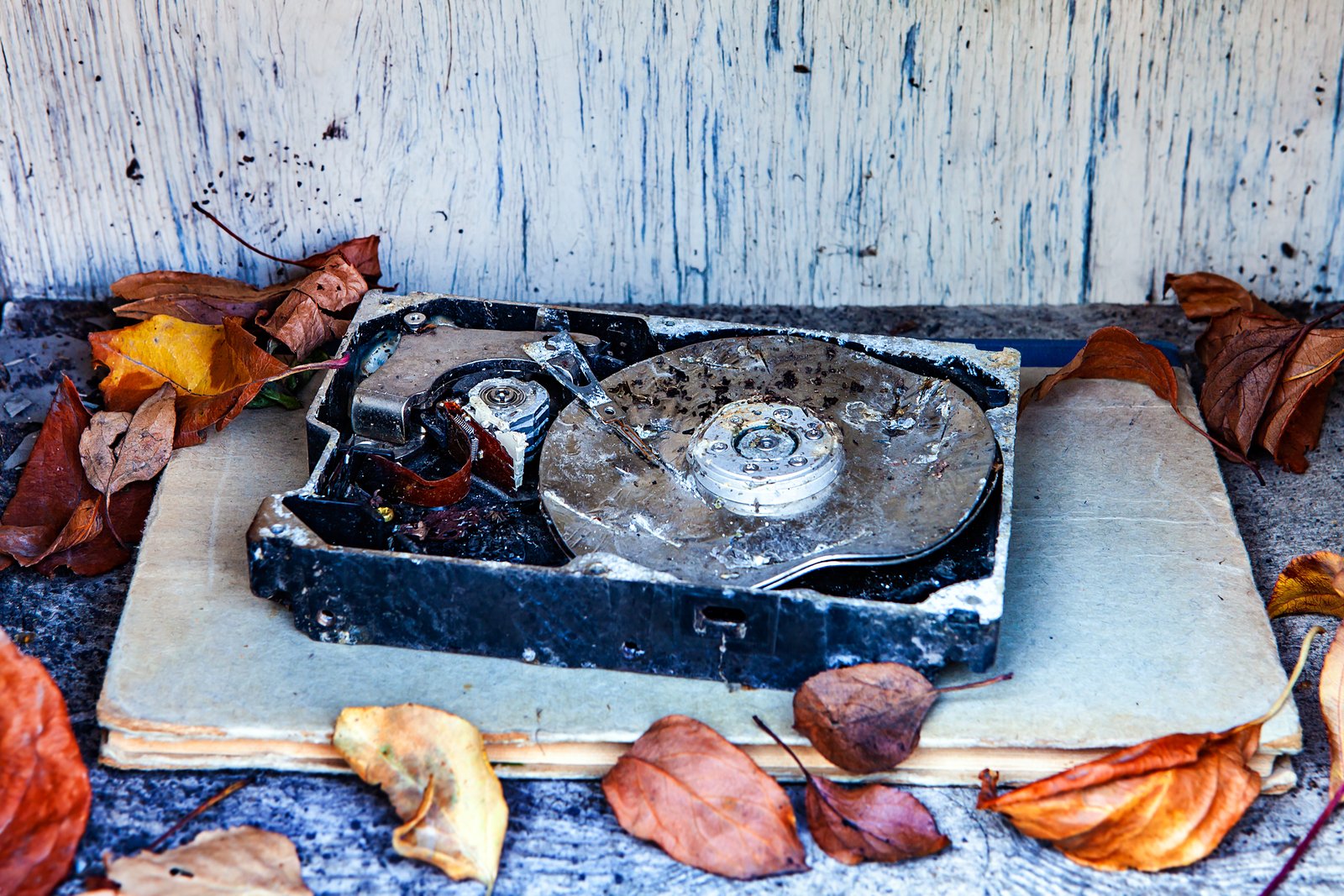
I learned the hard way that a backup strategy isn’t something you build after disaster strikes. It’s something you build before it does. Ten years ago, I lost a full day’s shoot—about 400 images from a wedding—when my camera card corrupted during the import process. The client was understanding. I wasn’t. That single event cost me thousands in reshoot fees and reputation damage. But it taught me something valuable: I needed a system, not just good intentions.

The Backup Strategy That Saved My Photography Business (And Will Save Yours)

The Backup Strategy That Saved My Photography Business (And Will Save Yours)

I’ve been shooting professionally for twenty years, and I can tell you exactly when backup strategy stopped being optional: the day my primary drive failed mid-shoot season. I lost three days of recent work before recovery, paid $2,400 for data retrieval, and nearly lost a major client over delayed delivery. That mistake cost me more than a year’s worth of proper backup systems would have. Most photographers treat backups like they treat contract reviews—something they’ll get to eventually.

The Backup Strategy That Saved My Photography Business (And Why Yours Needs One Now)

The Backup Strategy That Saved My Photography Business (And Why Yours Needs One Now)

I lost a client’s wedding photos once. Not all of them—thank God—but enough to make me physically ill for a week. That was fifteen years ago, and it’s the best mistake I ever made, because it forced me to build a backup system that’s saved my ass more times than I can count. Here’s what I learned: backing up your photography business isn’t optional. It’s infrastructure. And like any infrastructure, you need to think about it strategically before disaster forces your hand.

The Backup Strategy That Saved My Photography Business (And How to Build Yours)

The Backup Strategy That Saved My Photography Business (And How to Build Yours)

I lost three years of wedding photography once. Not all of it—just the RAW files from my best client work. Hard drive failure at 2 AM, no backup. I still remember that feeling. That was 15 years ago, and it was the expensive education that turned me into obsessive about backup strategy. I’ve since helped dozens of photographers avoid the same disaster. Here’s what actually works, with no theoretical nonsense.

Tethered Shooting: Why It's Non-Negotiable for Professional Workflows

Tethered Shooting: Why It's Non-Negotiable for Professional Workflows

Tethered Shooting: Why It’s Non-Negotiable for Professional Workflows I’ve been shooting tethered for over fifteen years, and I can tell you without hesitation: if you’re not doing this in your studio or on controlled shoots, you’re leaving money on the table and burning client goodwill. Tethered shooting means connecting your camera directly to a computer so images appear on-screen in real-time as you capture them. It sounds simple, but the operational advantages are massive—and they directly impact your bottom line.

Tethered Shooting: Why It's Non-Negotiable for Professional Work

Tethered Shooting: Why It's Non-Negotiable for Professional Work

Why I Switched to Tethered Shooting (and Never Looked Back) I spent fifteen years shooting without tether. I’d review images on the back of my camera, trust my experience, and move forward. Then I did a high-budget commercial shoot where the art director caught a focus issue on shot 247—after I’d already broken down half my gear. That mistake cost us a reshoot day. That’s when I committed to tethered shooting, and it fundamentally changed how I work.

Tethered Shooting: Why It Belongs in Your Professional Workflow

Tethered Shooting: Why It Belongs in Your Professional Workflow

Why Tethered Shooting Isn’t Optional Anymore I spent the first ten years of my career reviewing shots on the back of my camera—squinting at a three-inch screen, second-guessing focus, and shooting twice as many frames as I needed. Then I went tethered, and I honestly wonder how I ever worked without it. Tethered shooting means connecting your camera directly to a computer or tablet so images display on a larger screen in real-time.

Tethered Shooting: Why Every Professional Studio Should Be Doing It

Tethered Shooting: Why Every Professional Studio Should Be Doing It

Tethered Shooting: Why Every Professional Studio Should Be Doing It I didn’t embrace tethered shooting until about eight years into my career, and I’ll be honest—it felt like extra complexity at first. Then I realized I was leaving money and credibility on the table. Now it’s non-negotiable for any session that happens in my studio. What Tethered Shooting Actually Does for Your Business Tethered shooting means your camera feeds images directly to a computer display in real time.

Tethered Shooting: The Game-Changer for Professional Workflows

Tethered Shooting: The Game-Changer for Professional Workflows

Tethered Shooting: The Game-Changer for Professional Workflows I’ve been shooting tethered for over a decade now, and I can tell you without hesitation: it’s one of the smartest investments I’ve made in my business. Not just for the technical advantages—though those are real—but for the psychological edge it gives you with clients and the sheer efficiency it brings to your day. If you’re not shooting tethered yet, you’re leaving money on the table.

Tethered Shooting and Calibration: The Backbone of Professional Workflows

Tethered Shooting and Calibration: The Backbone of Professional Workflows

Tethered Shooting and Calibration: The Backbone of Professional Workflows I’ve been shooting tethered for nearly fifteen years, and I can tell you without hesitation: it’s the single biggest efficiency multiplier in my studio. Not just because it looks impressive to clients—though that doesn’t hurt—but because it eliminates the most expensive mistake in professional photography: shooting the wrong thing. Tethered shooting means your camera connects directly to a computer, displaying each shot on a large monitor in real-time.

Tethered Shooting and Backup Strategy: Protecting Your Professional Workflow

Tethered Shooting and Backup Strategy: Protecting Your Professional Workflow

I’ve shot thousands of assignments across three decades. I’ve also lost data, missed backups, and watched photographers panic when their primary card failed mid-event. The difference between professionals who survive these moments and those who don’t comes down to one thing: a bulletproof tethered shooting and backup strategy. Why Tethering Matters Beyond the Monitor Most photographers think tethering is just about seeing images larger during a shoot. That’s the bonus feature.