Why Display Calibration Isn't Optional in Professional Photography

Why Display Calibration Isn't Optional in Professional Photography

I’ve walked into enough photography studios to know that most people are flying blind when it comes to color. They’re editing on uncalibrated monitors, delivering files that look nothing like what clients will see, and wondering why everyone’s upset. Then they blame the client’s screen. Stop. That’s on you. Calibration isn’t some luxury for perfectionist art photographers. It’s the foundation of any professional workflow. Without it, you’re guessing. And guessing loses clients and damages your reputation.

Tethered Shooting and Calibration: The Backbone of Professional Workflows

Tethered Shooting and Calibration: The Backbone of Professional Workflows

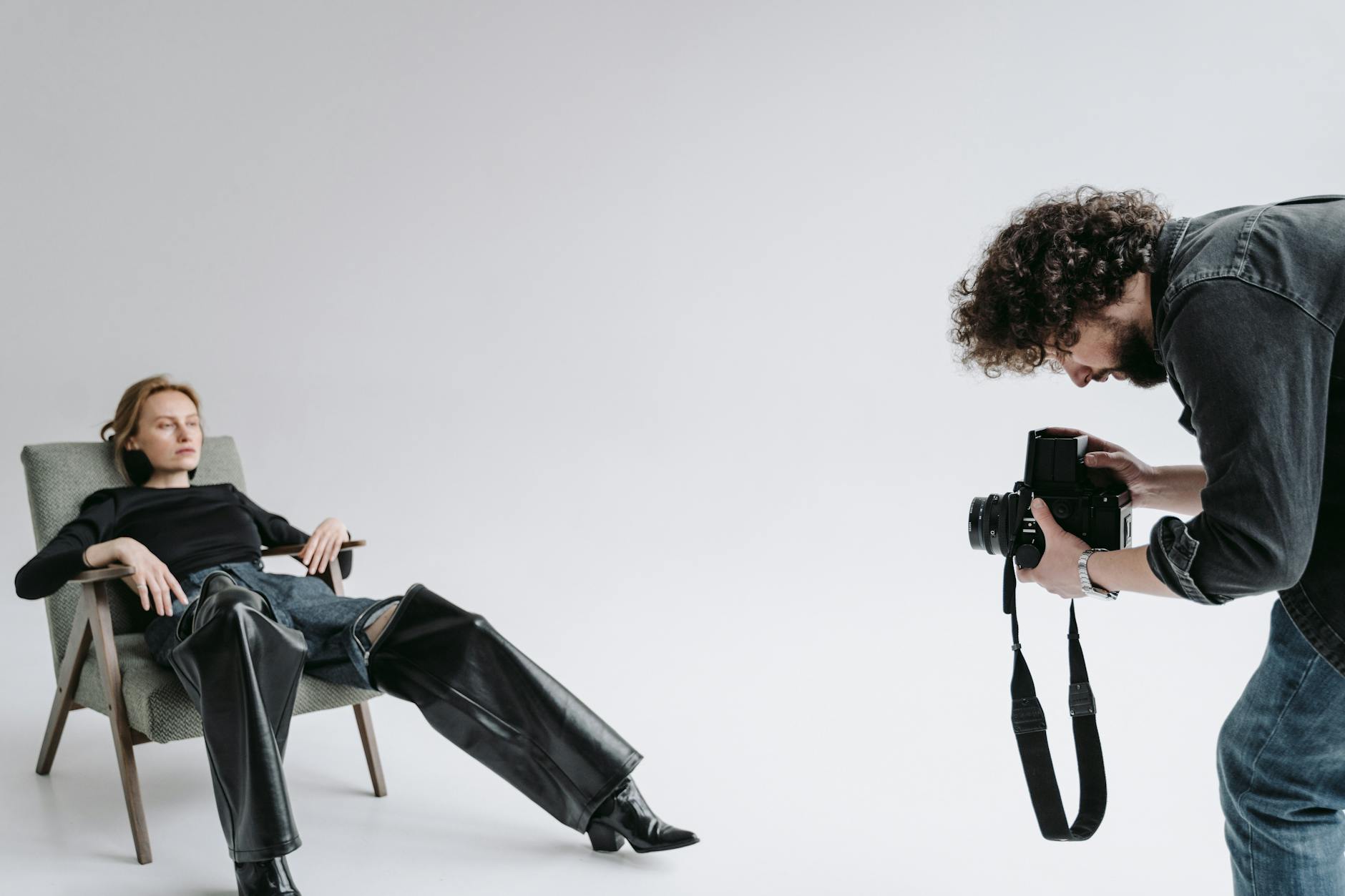
Tethered Shooting and Calibration: The Backbone of Professional Workflows I’ve been shooting tethered for nearly fifteen years, and I can tell you without hesitation: it’s the single biggest efficiency multiplier in my studio. Not just because it looks impressive to clients—though that doesn’t hurt—but because it eliminates the most expensive mistake in professional photography: shooting the wrong thing. Tethered shooting means your camera connects directly to a computer, displaying each shot on a large monitor in real-time.

Calibration and Tethered Shooting: Non-Negotiable Steps for Professional Work

Calibration and Tethered Shooting: Non-Negotiable Steps for Professional Work

I’ve been shooting professionally for over two decades, and I’ve seen careers derailed by preventable mistakes. Two practices separate shooters who consistently deliver client-ready work from those who spend hours in post-production fire-fighting: monitor calibration and tethered shooting. Neither is glamorous. Both are absolutely essential. Why Your Monitor Is Lying to You Your display isn’t neutral. It shifts with room temperature, age, and ambient light. I discovered this the hard way early in my career when I delivered a wedding gallery where skin tones looked muddy on the client’s monitor—perfectly accurate on mine.